
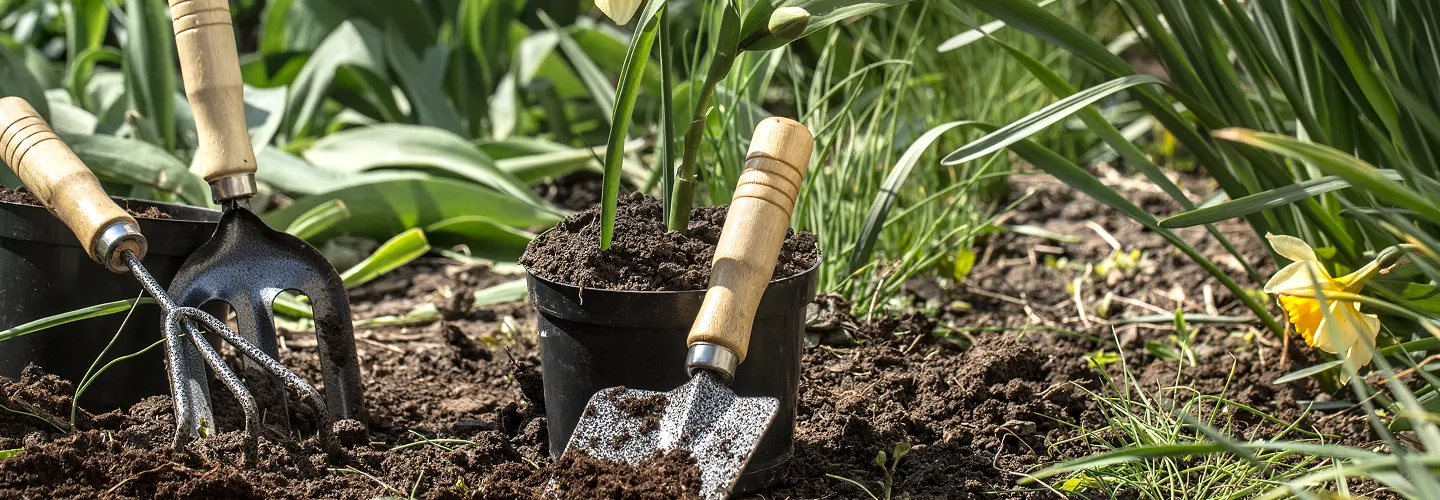
Glendale Flower Bed Maintenance Services
Choose our Flower Bed Maintenance for expert care that keeps your garden healthy, colorful, and thriving all season long—so you can enjoy stunning flower beds without the hassle.
Get a Free QuoteOur Glendale Landscaping & Yard Care Services
When to Schedule Flower Bed Maintenance in Glendale, Arizona – Seasonal Guide
In Glendale, Arizona, timing your flower bed maintenance is crucial for vibrant, healthy landscapes. The region’s unique Sonoran Desert climate—with its hot summers, mild winters, and monsoon season—means that the best times for maintenance are typically early spring (February to April) and late fall (October to November). These windows allow you to prepare beds before the intense summer heat or after the monsoon rains, ensuring plants establish strong roots and thrive throughout the year.
Local factors such as the proximity to Sahuaro Ranch Park, the shade provided by mature trees in Arrowhead Ranch, and the sandy, alkaline soils common in neighborhoods like Westgate all play a role in determining the ideal maintenance schedule. Glendale’s average last frost date falls in early February, so scheduling tasks like mulching, pruning, and soil amendment just after this period helps protect plants from unexpected cold snaps and prepares them for the growing season. Additionally, considering the city’s periodic drought advisories and municipal watering restrictions is essential for sustainable landscape care. For more information on local environmental guidelines, visit the official city resource.
Local Factors to Consider for Flower Bed Maintenance in Glendale
- Tree density and shade coverage (e.g., mature landscapes in Arrowhead Lakes)
- Soil type and drainage, especially in areas with sandy or compacted soils
- Seasonal precipitation patterns, including monsoon storms
- Proximity to landmarks or parks that may influence microclimates
- Municipal watering restrictions and drought advisories
- Terrain and slope, which affect runoff and soil erosion
Benefits of Flower Bed Maintenance in Glendale
Enhanced Curb Appeal
Weed and Pest Prevention
Healthier Plant Growth
Seasonal Color Management
Professional Expertise
Time and Effort Savings
Glendale Flower Bed Maintenance Types

Seasonal Flower Planting
-
Weed Control Services
-
Soil Amendment and Fertilization
-
Mulching and Edging
-
Pest and Disease Management
-
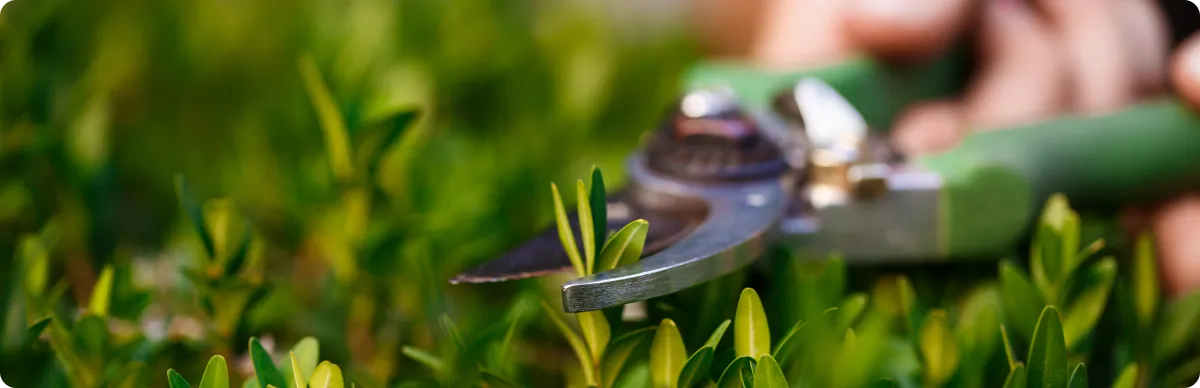
Pruning and Deadheading
-
Irrigation System Maintenance
Our Flower Bed Maintenance Process
Site Evaluation
Weed Removal
Soil Preparation
Plant Care
Mulching
Why Choose Glendale Landscape Services
-
Glendale Homeowners Trust Us
-
Expert Lawn Maintenance
-
Reliable Scheduling
-
Competitive Pricing
-
Professional Team
-
Satisfaction Guarantee
-
Personalized Service
Coordinating Flower Bed Maintenance with Glendale's Municipal Landscape Programs
Flower bed maintenance in Glendale involves more than routine weeding and watering; it intersects with municipal landscape standards, green waste handling, and stormwater protection. The Glendale Parks and Recreation Department sets expectations for public-facing landscape areas and can provide guidance on plant selection suited to municipal streetscape standards. Property managers maintaining beds adjacent to sidewalks, medians, or rights-of-way should verify that plant material does not encroach into pedestrian or vehicular sight lines. Green waste generated from seasonal bed cleanouts—spent annuals, pulled weeds, and trimmed perennials—must be disposed of in accordance with city bulk collection procedures. Residents should confirm current pickup schedules and accepted materials directly with the city rather than placing organic debris in storm drains or washes.
- Coordinate green waste removal with city bulk pickup guidelines before monsoon season
- Confirm that bed plantings along sidewalks or rights-of-way meet visibility and setback expectations
- Direct irrigation runoff away from curb inlets and public drainage infrastructure
Glendale Parks and Recreation Department
Official Website: Glendale Parks and Recreation Department
How Glendale's Low-Desert Heat and Alkaline Soils Shape Flower Bed Care
Glendale sits within the Phoenix metro low-desert region, classified under USDA Hardiness Zone 9b to 10a, where summer temperatures routinely exceed 110°F and annual rainfall averages under eight inches. These conditions impose specific demands on flower bed maintenance that differ substantially from temperate-climate practices.
- Soil alkalinity: Glendale's predominant soils tend toward alkaline sandy loam and often contain caliche layers at varying depths, which restrict root penetration and impede drainage around emitter zones. Soil pH commonly ranges above 7.5, affecting nutrient availability for iron-dependent flowering species.
- Reflected heat: Block walls, concrete patios, and decomposed granite surfaces radiate stored heat well into evening hours, intensifying thermal stress on bedding plants positioned along south- and west-facing exposures.
- Irrigation dependence: With minimal natural precipitation outside the July–September monsoon window, flower beds rely almost entirely on drip emitter systems. Emitter placement, flow rate, and scheduling must account for rapid surface evaporation and salt accumulation from municipal water sources.
- Monsoon washout: Intense summer storms can displace mulch, erode bed edges, and deposit sediment across walkways, requiring prompt post-storm inspection and bed restoration.
The Arizona Department of Water Resources provides landscaping guidance that supports water-efficient bed design suited to these conditions.
Navigating Glendale's Environmental and Zoning Rules for Flower Bed Maintenance
Routine flower bed maintenance generally does not require a permit in Glendale, but several regulatory layers apply when maintenance activities involve chemical application, stormwater contact, or work near drainage infrastructure. The Glendale Environmental Protection Division oversees urban stormwater mandates under the Arizona DEQ Phase II MS4 program, which prohibits allowing fertilizer, herbicide, pesticide residue, or organic debris to enter the municipal storm sewer system.
- Any commercial application of herbicides or pesticides within flower beds requires proper licensing through the Arizona Department of Agriculture Office of Pest Management
- Fertilizer and soil amendment runoff must not reach curb inlets, retention basins, or wash channels—apply only when irrigation can be controlled and wind drift is minimal
- Properties adjacent to flood-control channels or designated washes should verify setback and grading requirements with the Glendale Engineering Department before altering bed grades or installing raised borders
- The Glendale Planning and Zoning Division administers code enforcement for properties where neglected beds, overgrown weeds, or accumulated debris may trigger a maintenance violation
Glendale Environmental Protection Division
Official Website: Glendale Environmental Protection Division
Glendale Engineering Department
Official Website: Glendale Engineering Department
Timing Flower Bed Maintenance Around Glendale's Monsoon and Planting Seasons
Professional flower bed maintenance in Glendale follows a seasonal rhythm dictated by extreme heat, brief planting windows, and monsoon disruption. Proper timing prevents plant loss, reduces water waste, and maintains bed integrity year-round.
- Fall planting window (October–November): The primary season for installing cool-season annuals such as petunias, snapdragons, and pansies. Soil temperatures drop enough for root establishment before winter, and beds should be cleared of spent summer material, amended with sulfur or iron if needed, and mulched before planting.
- Spring transition (March–April): Remove declining cool-season flowers and prepare beds for heat-tolerant species like vinca, lantana, or desert marigold. Inspect and flush drip emitters, replace clogged or damaged lines, and verify that emitter spacing matches the root zones of incoming plants.
- Pre-monsoon preparation (June): Secure mulch layers, reinforce bed edging, and remove any loose organic debris that could wash into drainage paths during intense storms. Deadhead remaining blooms and reduce irrigation frequency slightly as humidity rises.
- Post-monsoon recovery (September): Inspect beds for erosion, displaced mulch, and sediment deposits. Re-level bed surfaces, replace damaged plants, and resume standard irrigation schedules as temperatures begin to moderate.
Mulch depth of approximately two to three inches is a common professional guideline for moisture retention and weed suppression, though depth should be adjusted based on plant type and emitter configuration.
What Neighborhoods Do We Serve Throughout Glendale, AZ?
- Arrowhead Ranch — Large residential lots with extensive HOA-managed common areas and south-facing bed exposures that intensify summer heat stress on flowering plants.
- Westgate Entertainment District — Commercial and mixed-use properties with high-visibility flower beds positioned near hardscape and reflective surfaces requiring frequent deadheading and emitter monitoring.
- Historic Downtown Glendale — Older irrigated lots with mature shade trees that create variable light conditions across flower beds, often requiring species selection adapted to partial shade.
- Thunderbird Farms — Properties with larger yard footprints and older irrigation infrastructure where emitter upgrades and soil amendment are commonly needed for bed performance.
- Bellair — Established residential neighborhood with compact lots where flower beds along block walls experience significant reflected heat and benefit from mulch preservation and frequent weed suppression.
- Sahuaro Ranch — Proximity to Sahuaro Ranch Park and historic landscape corridors creates context for desert-adapted bed plantings and water-conscious maintenance practices.