
Glendale Lawn Mowing Services
Choose our lawn mowing service for reliable, professional results that keep your yard healthy, beautiful, and hassle-free all season long.
Get a Free QuoteOur Glendale Landscaping & Yard Care Services
When to Schedule Lawn Mowing in Glendale, Arizona – Seasonal Guide
In Glendale, Arizona, timing your lawn mowing is crucial for maintaining a healthy, vibrant yard throughout the year. The region’s unique desert climate, with its hot summers and mild winters, means that grass growth patterns differ from those in cooler or more humid areas. For neighborhoods near Sahuaro Ranch Park or Arrowhead Ranch, the optimal mowing schedule often aligns with the transition periods between spring and fall, when temperatures are moderate and grass growth is most active.
Local environmental factors such as early spring frost dates, the risk of summer drought, and varying soil types—ranging from sandy soils in the northern neighborhoods to clay-rich areas near Glendale Community College—play a significant role in determining the best times for lawn care. Shade coverage from mature trees in historic districts or the open, sun-exposed lawns in Westgate can also affect mowing frequency. For more information on local climate and landscaping resources, visit the official city website.
Local Factors to Consider for Lawn Mowing in Glendale
- Tree density and shade coverage
- Soil type (sandy, clay, or loamy)
- Seasonal precipitation and drought risk
- Frost dates and temperature fluctuations
- Terrain and lawn slope
- Municipal watering and mowing restrictions
- Proximity to landmarks or high-traffic areas
Benefits of Lawn Mowing in Glendale
Professional Lawn Care Experts
Consistent Scheduling
Enhanced Curb Appeal
Time-Saving Services
Eco-Friendly Practices
Reliable Customer Support
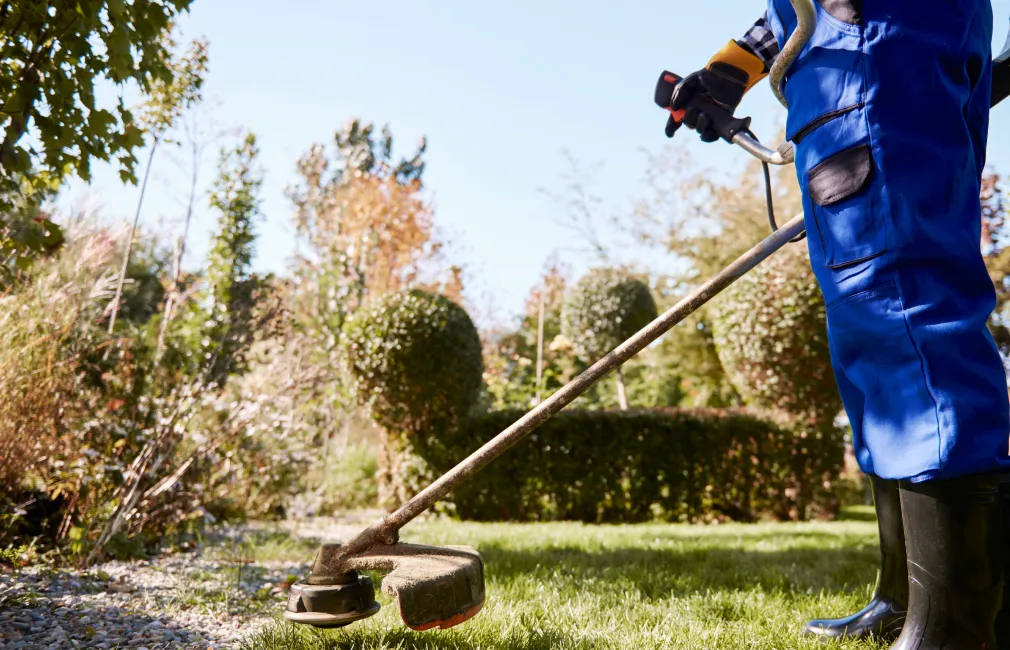
Glendale Lawn Mowing Types

Standard Lawn Mowing
-
Mulching Mower Service
-
Bagging and Collection Mowing
-
Striped Lawn Mowing
-
Rough Cut Mowing
-
Push Mower Service
-
Zero-Turn Mower Service
Our Lawn Mowing Process
Site Evaluation
Lawn Preparation
Mowing Execution
Edging and Trimming
Cleanup
Why Choose Glendale Landscape Services
-
Glendale Homeowners Trust Us
-
Expert Lawn Maintenance
-
Reliable Scheduling
-
Competitive Pricing
-
Professional Team
-
Satisfaction Guarantee
-
Personalized Service
Coordinating Lawn Mowing Services with Glendale's Municipal Departments
Lawn mowing in Glendale requires awareness of municipal programs that govern green waste handling, stormwater protection, and property maintenance standards. Grass clippings and mowing debris must not be discharged into street gutters, curb inlets, or storm drains, as Glendale's stormwater infrastructure connects to the regional drainage network regulated under Arizona DEQ Phase II MS4 requirements. Residents and property managers should verify current green waste collection procedures through the city's public works division before placing clippings curbside. Key considerations include:
- Bagging or mulching clippings on-site to prevent material from entering drainage channels
- Confirming bulk organic waste pickup schedules with the city rather than assuming fixed collection days
- Keeping mowing equipment and debris clear of public rights-of-way and sidewalk corridors
- Coordinating with water services regarding irrigation schedules that affect mowing timing
Glendale Public Works - Street Maintenance Services
Official Website: Glendale Public Works - Street Maintenance Services
Glendale Environmental Protection Division
Official Website: Glendale Environmental Protection Division
How Glendale's Low-Desert Heat and Alkaline Soils Affect Lawn Mowing
Glendale sits within the Phoenix metro low-desert region, classified under USDA Hardiness Zone 9b to 10a, where summer temperatures routinely exceed 110°F and turf grasses face extreme heat stress. The predominant soil profile across much of Glendale consists of alkaline sandy loam and calcareous substrates, frequently underlain by caliche hardpan that restricts root depth and water infiltration. These conditions directly influence mowing practices in several ways:
- Bermudagrass dominance: The primary warm-season turf in Glendale is bermudagrass, which grows aggressively from April through October and requires frequent mowing during peak summer months
- Reflected heat: Concrete block walls, driveways, and decomposed granite hardscape radiate additional heat onto adjacent turf edges, accelerating drying and stress along property borders
- Irrigation dependence: Turf survival depends entirely on supplemental irrigation; mowing schedules must account for watering cycles to avoid cutting wet grass or mowing during active irrigation windows
- Winter overseeding: Many Glendale properties overseed with perennial ryegrass in October, creating a second mowing season with different height and frequency requirements through spring
The University of Arizona Cooperative Extension provides region-specific guidance on turf species performance across low-elevation Arizona.
Navigating Glendale's Zoning and Stormwater Rules for Lawn Mowing Operations
Property owners and lawn care operators in Glendale must comply with local zoning ordinances that address property maintenance standards, including vegetation height and frontage appearance. The Glendale Planning and Zoning Division administers code enforcement related to overgrown lots and neglected turf areas. Allowing grass to grow excessively may trigger code violations, particularly in residential zones with HOA overlay requirements. Additional regulatory considerations include:
- Stormwater compliance under the Clean Water Act, which prohibits discharge of yard waste, fertilizer runoff, or sediment into municipal storm sewer systems
- Noise ordinance awareness for commercial mowing equipment operated in residential neighborhoods; verify current city noise restrictions before scheduling early-morning or late-evening service
- Proper containment of clippings on properties adjacent to washes, retention basins, and flood-control channels managed by the Maricopa County Flood Control District
The Arizona Department of Water Resources also provides landscaping conservation guidance relevant to properties considering turf reduction or irrigation modifications alongside mowing programs.
Glendale Planning and Zoning - Zoning Division
Official Website: Glendale Planning and Zoning - Zoning Division
Timing and Technique Standards for Lawn Mowing in Glendale's Climate
Professional mowing standards in Glendale must account for the extreme thermal environment and the distinct growth patterns of warm-season and cool-season turf. The Turfgrass Maintenance Guide for Low Elevation Arizona from the University of Arizona provides detailed mowing height recommendations by species. Key timing and technique considerations include:
- Bermudagrass mowing height: Maintain common bermudagrass at approximately 1.5 to 2.5 inches during active summer growth; hybrid bermudagrass varieties may be maintained lower depending on cultivar
- Overseeded ryegrass height: During the winter overseed season, perennial ryegrass is typically maintained at 2 to 3 inches to sustain density and color
- Mowing frequency: During peak summer growth from May through September, bermudagrass may require weekly or twice-weekly mowing; never remove more than one-third of the blade height in a single cut
- Clipping management: Mulching clippings back into the turf returns nitrogen and reduces green waste volume, but excessive clipping accumulation should be collected to prevent thatch buildup
- Irrigation coordination: Mow after turf has dried from the most recent irrigation cycle to produce clean cuts and reduce disease pressure; avoid mowing during midday heat above 105°F to limit operator and turf stress
What Neighborhoods Do We Serve Throughout Glendale, AZ?
- Arrowhead Ranch — This master-planned community features established bermudagrass lawns with HOA-maintained common areas, requiring consistent mowing schedules to meet community appearance standards on medium-sized residential lots.
- Westgate Entertainment District Area — Properties near this commercial corridor often have compact turf areas with significant reflected heat from surrounding pavement and structures, demanding careful mowing height management.
- Historic Downtown Glendale — Older irrigated lots in this area frequently have mature shade trees that create variable light conditions across turf, requiring adjusted mowing patterns for uneven growth.
- Thunderbird Farms — Larger residential parcels in this area may include expansive turf sections with flood-irrigated bermudagrass, necessitating mowing coordination around irrigation flood cycles.
- Bellair — This established neighborhood features mid-century residential lots with mixed turf and hardscape, where mowing crews must manage tight access and edge work along older concrete walkways.
- Deer Valley Area — Properties in northern Glendale near the Deer Valley corridor often sit on compacted subdivision fill soils, where turf health and mowing response depend heavily on irrigation uniformity and soil amendment history.